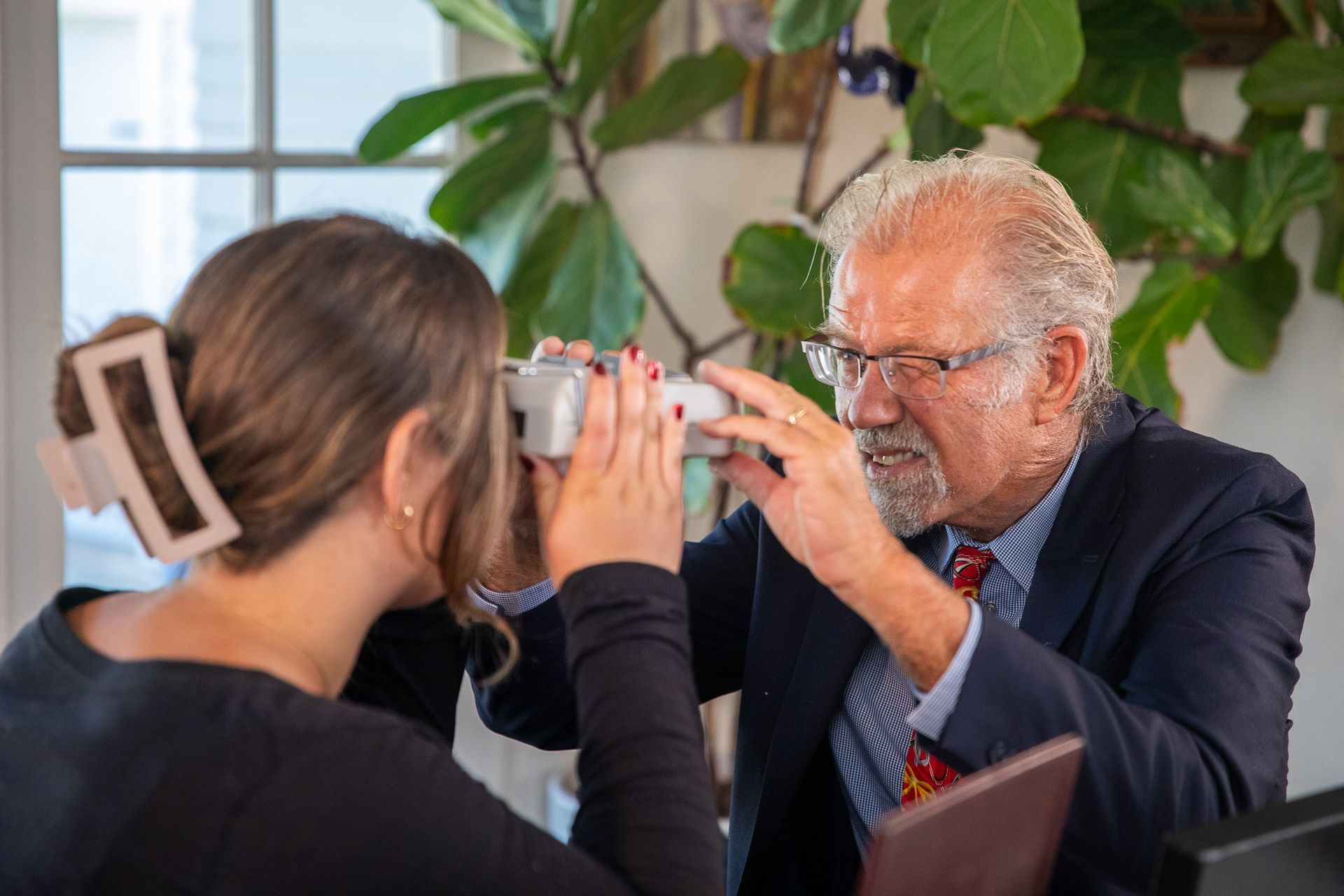
Many people assume they only need an eye exam when their vision becomes blurry or they need a new pair of glasses. In reality, regular eye exams play a critical role in maintaining both vision and overall eye health.
Comprehensive eye exams can help detect vision changes, monitor existing conditions, and identify potential eye diseases before noticeable symptoms appear. Because vision needs change throughout life, the recommended frequency of eye exams often depends on your age, health history, and risk factors.
Whether you're caring for a young child, managing a busy career, or enjoying retirement, understanding when to schedule an eye exam can help protect your long-term vision.
Why Regular Eye Exams Matter
An eye exam is about much more than determining whether you need glasses.
During a comprehensive examination, an eye care professional can evaluate your visual acuity, eye coordination, eye pressure, and overall eye health. Exams may also help identify signs of conditions such as glaucoma, cataracts, macular degeneration, and diabetic eye disease before symptoms become severe.
Many eye conditions develop gradually and may not cause noticeable vision problems in their early stages. Regular exams provide an opportunity to catch issues early when treatment options are often most effective.
Eye Exams for Infants and Toddlers
Vision development begins at birth, making early screenings an important part of a child's healthcare routine.
While pediatricians often perform basic vision screenings during wellness visits, comprehensive eye evaluations may be recommended if parents notice concerns such as:
- Excessive eye rubbing
- Misaligned eyes
- Difficulty tracking objects
- Light sensitivity
- Delayed visual development
Early detection can help address vision issues before they affect learning and development.
Eye Exams for School-Age Children
Children rely heavily on their vision for reading, learning, sports, and social development.
Many parents assume school vision screenings are enough, but these screenings typically evaluate only a limited portion of a child's visual function. A comprehensive eye exam can assess additional factors that impact classroom performance, including focusing ability, eye teaming, depth perception, and visual tracking.
In general, children should have routine eye exams throughout their school years, especially if they:
- Wear glasses or contact lenses
- Experience headaches while reading
- Struggle with schoolwork
- Spend significant time using digital devices
- Have a family history of eye conditions
Regular monitoring ensures that vision changes do not interfere with academic success or everyday activities.
Eye Exams for Young Adults (Ages 18–39)
Many young adults enjoy relatively stable vision, making it easy to postpone eye care appointments. However, annual or routine eye exams remain important even when vision seems normal.
This stage of life often includes increased screen time, long work hours, and extensive use of digital devices, all of which can contribute to eye strain and visual fatigue.
Young adults should schedule regular eye exams to:
- Update prescriptions as needed
- Monitor eye health
- Address digital eye strain
- Detect early signs of disease
- Evaluate contact lens health and fit
Individuals with diabetes, high blood pressure, or a family history of eye disease may require more frequent evaluations.
Eye Exams for Adults Ages 40–64
Around age 40, many adults begin experiencing age-related vision changes, including presbyopia, which affects the ability to focus on close objects.
You may notice:
- Difficulty reading small print
- Needing brighter light for reading
- Holding books or phones farther away
- Increased eye fatigue
This age group also faces a higher risk of developing conditions such as glaucoma, cataracts, and retinal disorders.
Routine eye exams become increasingly important during these years because many age-related eye diseases develop gradually and without obvious symptoms.
Regular monitoring allows eye care professionals to detect subtle changes and recommend treatment when necessary.
Eye Exams for Seniors (65+)
Vision needs often become more complex as we age.
Older adults face a greater risk of developing:
- Cataracts
- Glaucoma
- Age-related macular degeneration
- Diabetic retinopathy
- Dry eye syndrome
These conditions can significantly impact independence, mobility, and quality of life if left untreated.
For seniors, regular eye exams are one of the most effective ways to preserve vision and maintain overall health. Early diagnosis and ongoing monitoring can help slow disease progression and support better long-term outcomes.
Certain Health Conditions Require More Frequent Exams
Regardless of age, some individuals should schedule eye exams more often than the general population.
Higher-risk groups include people with:
- Diabetes
- High blood pressure
- Autoimmune conditions
- A family history of glaucoma
- Previous eye injuries
- Existing eye diseases
Your eye care provider can recommend an exam schedule based on your individual health history and risk factors.
Don't Wait for Symptoms
One of the biggest mistakes people make is waiting until they notice a problem before scheduling an eye exam. Many serious eye conditions develop silently. By the time symptoms appear, vision damage may already have occurred.
Convenient Eye Care for Every Stage of Life
Finding time for an eye exam can be challenging, especially for busy professionals, families, seniors, or individuals with transportation limitations.
Mobile eye care services make it easier than ever to prioritize vision health by bringing professional eye exams directly to homes, offices, retirement communities, and other convenient locations. Mobile eye exams offer many of the same essential vision and eye health evaluations found in traditional settings while eliminating travel and waiting room hassles.
No matter your age, routine eye exams are one of the simplest and most effective investments you can make in your long-term health. Clear vision supports every aspect of daily life—and regular eye care helps ensure you can continue seeing your world clearly for years to come.