The difference comes down to materials, construction, fit, and design. Mass-produced eyewear is built for volume and low cost. Quality designer frames, especially independent European ones, are built for craftsmanship, comfort, and longevity. That affects how your glasses look, how they fit, and how long they last.
What Is Mass-Produced Eyewear?
Mass-produced frames are made in large quantities to hit a price point. They’re often molded plastic or stamped thin metal, sold in a limited range of standard sizes, and designed to follow trends quickly. They’re a reasonable choice for a backup pair, but the tradeoffs show up over time in fit, feel, and durability.
What Makes a Frame “Designer”?
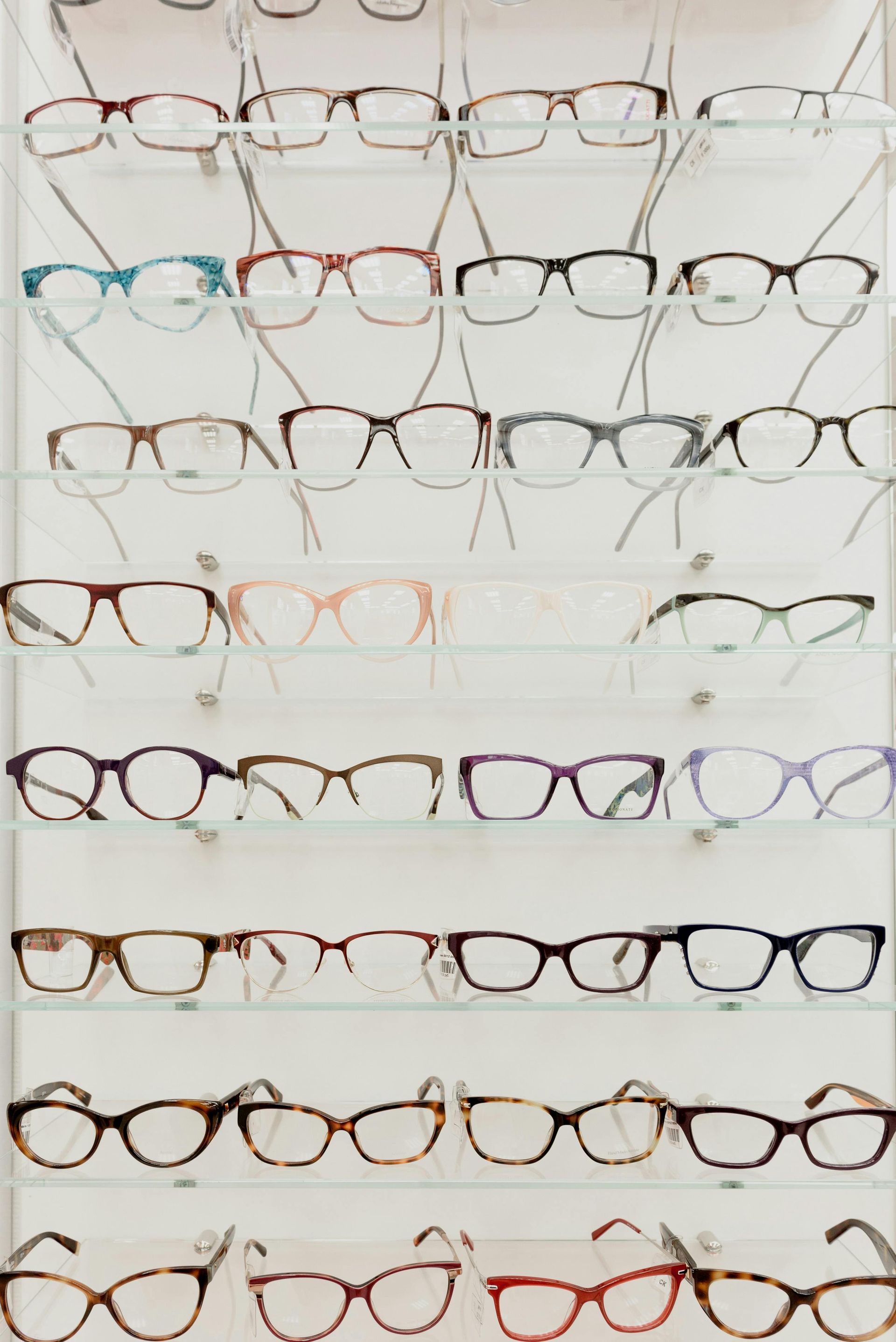
A designer name on the temple doesn’t guarantee quality. Some well-known labels are licensed and produced in high volume, which puts them closer to mass-market than to craftsmanship. What matters is how the frame is made, which is where independent European makers stand apart.
The Key Differences
Materials. Premium frames are often cut from high-quality Italian acetate, which is layered, hand-finished, and polished. It has a depth of color and a lightweight, smooth feel that molded plastic rarely matches. Higher-end metal and rimless designs use better alloys and finishing as well.
Construction and durability. Better hinges, stronger joints, and finer finishing mean a frame that holds its shape and adjusts properly over years of wear, instead of loosening or warping.
Fit. Quality frames come in more sizes, bridge widths, and temple lengths, so they can be fitted to your face rather than the other way around. A well-fitted pair sits comfortably, stays in place, and positions your lenses correctly.
Style. Independent designers offer distinctive shapes, colors, and details you won’t see on every other face in the room.
Value. A well-made frame that lasts and can be adjusted or repaired often costs less per year of wear than replacing cheaper pairs.
Is Designer Always Better?
Not automatically. Price and branding aren’t reliable signs of quality, and a simple, inexpensive frame can be the right fit for some uses. The better question is whether the frame suits your face, your prescription, and your daily life. A frame you love wearing and that fits well is worth more than one chosen for its label.
Why Fit Matters More Than the Label
Even a beautiful frame can perform poorly if it isn’t fitted correctly. A licensed optician looks at face shape, nose bridge, temple length, and how you’ll use your glasses, and that’s especially important for progressive and specialty lenses, where measurements affect how well you see. Frames and lenses work together, so the right frame should be paired with lenses chosen for your prescription and lifestyle.
Designer Eyewear Without Designer Prices
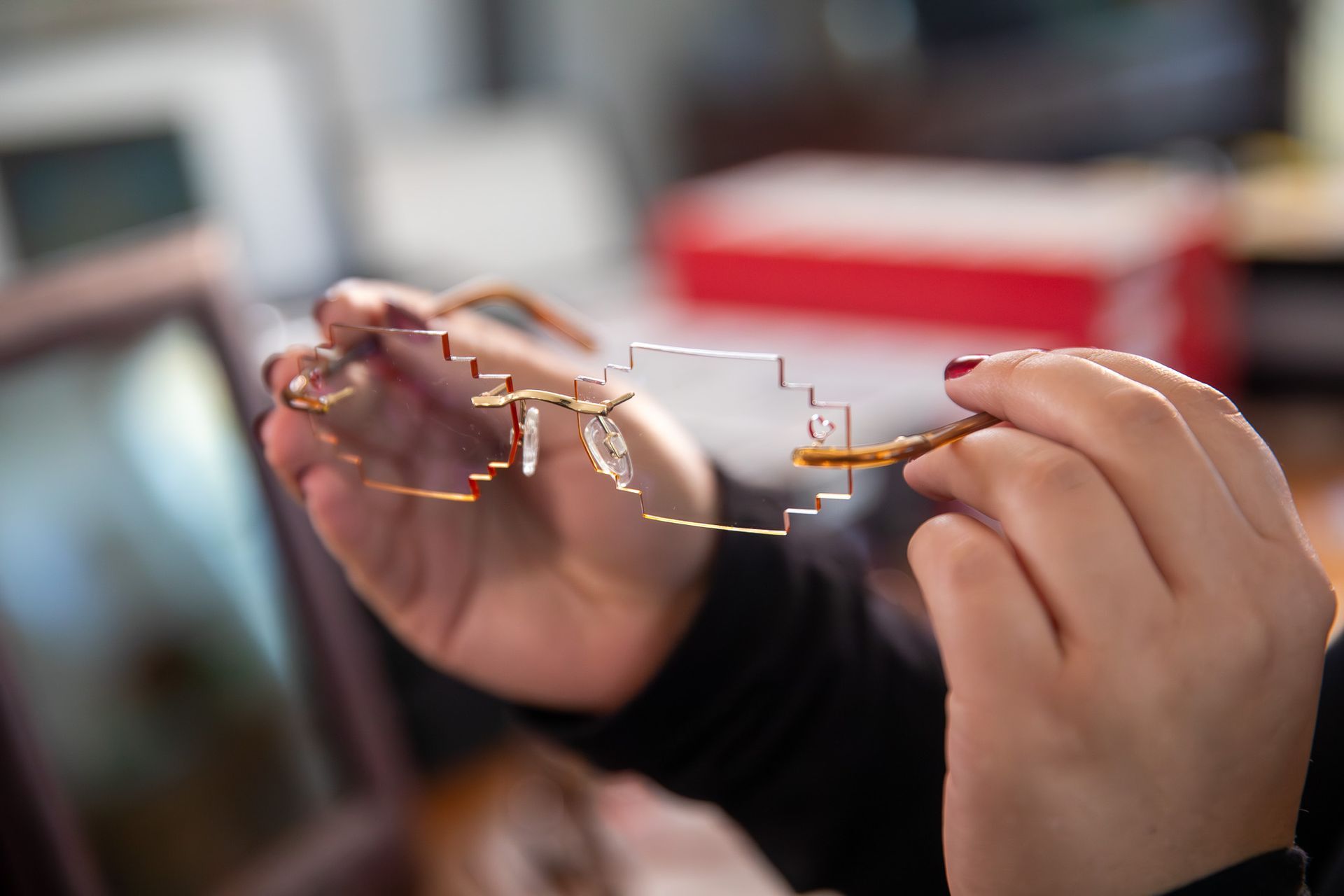
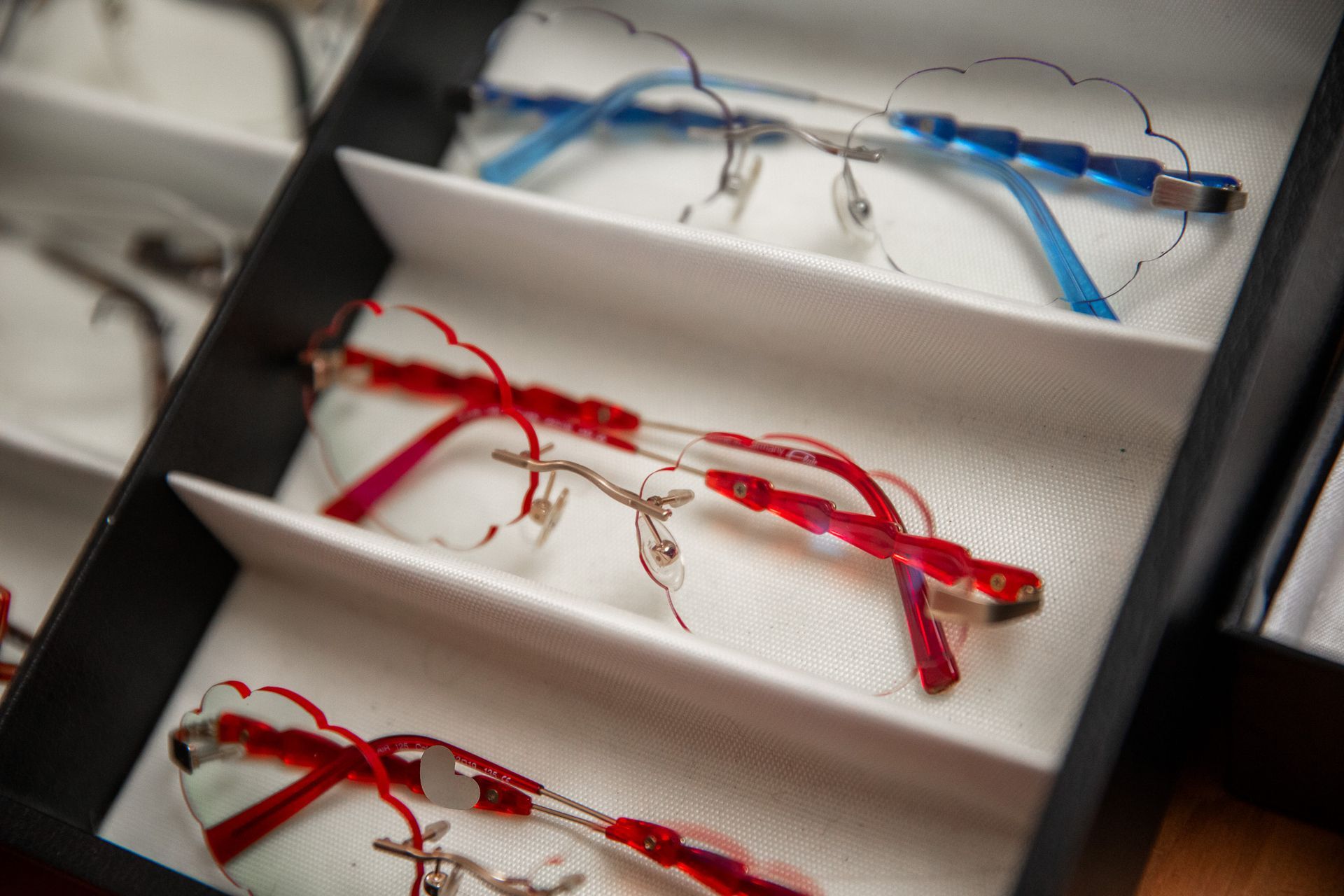
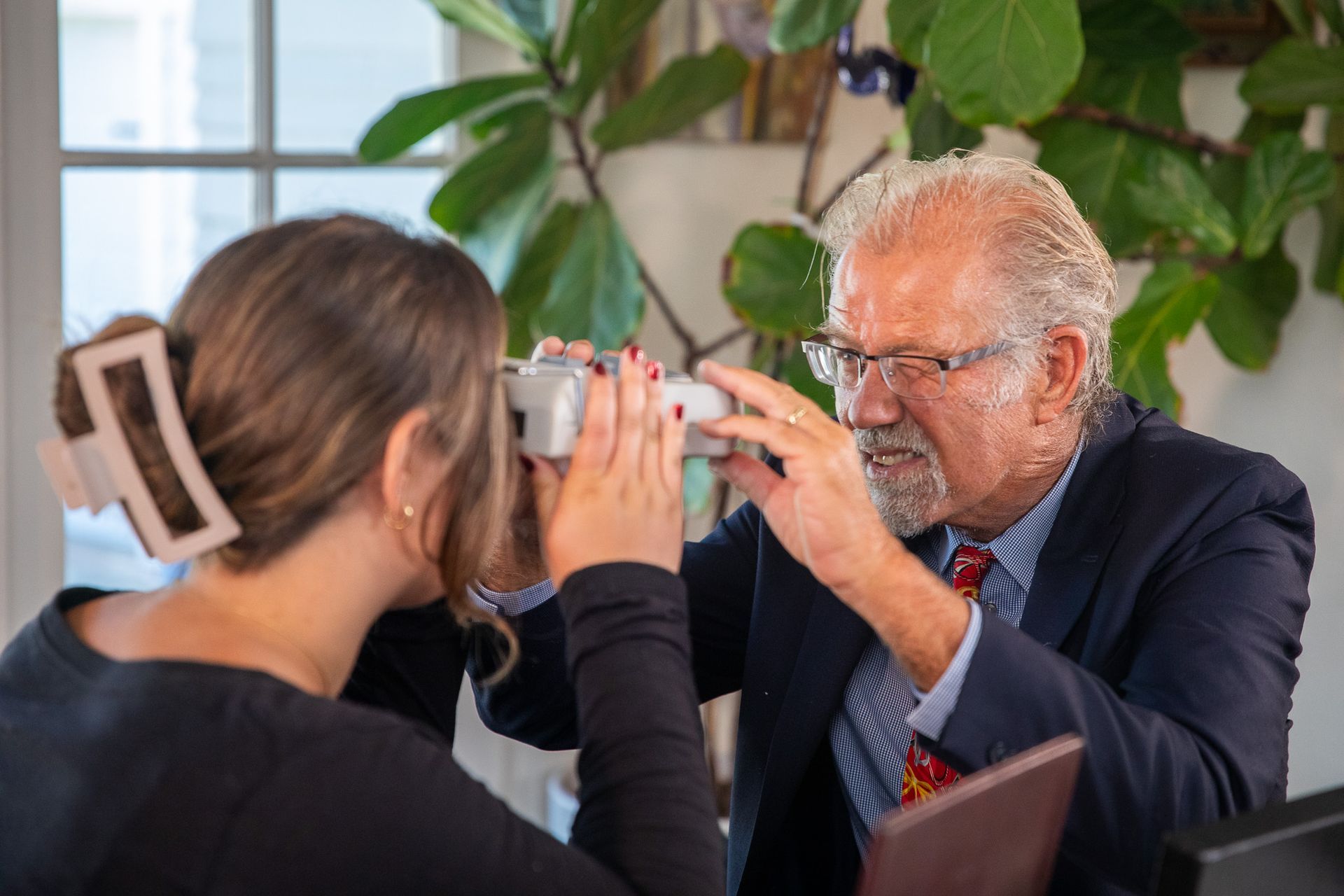
At Mobile Eyecare, we bring a curated selection of exclusive German and Italian frames, lightweight Italian acetate, and custom rimless designs, many of them hard to find in mainstream optical stores. With decades of optical experience, we personally help you choose frames through
frame fitting and styling at your home, office, or retirement community, or virtually.
Our prices run 40 to 60 percent below designer retail, with second and third prescription lenses discounted at 30 and 40 percent. You can explore the
frame shop, and we also handle
lens replacement and
eyeglass and frame repair, so a quality frame keeps working for you.
Serving San Diego County from Oceanside, Mobile Eyecare makes it easy to try quality eyewear and get an expert fit without visiting a store.